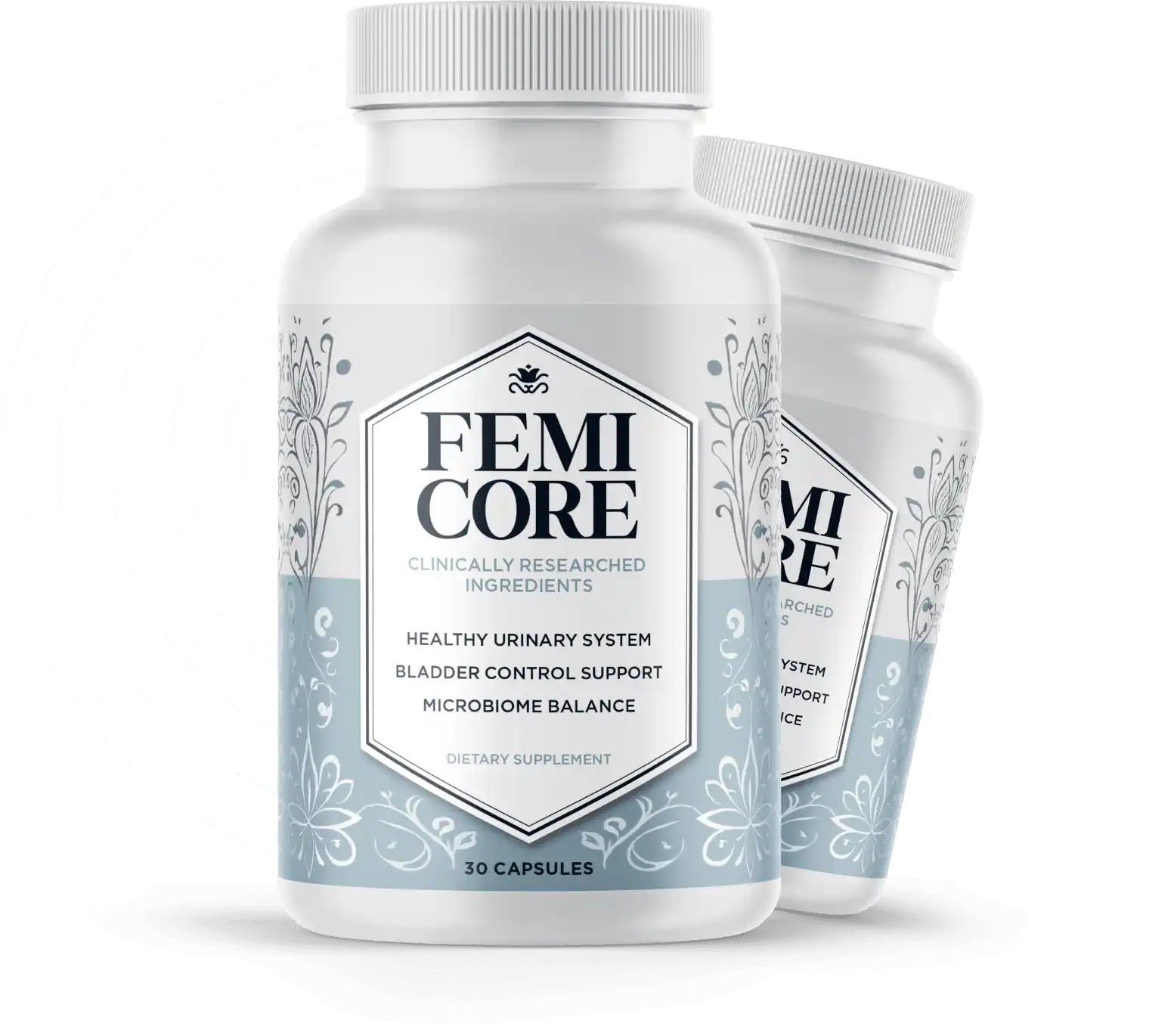
FemiCore™ is a daily capsule supplement marketed to women who want to support bladder comfort, urinary balance and everyday confidence. Its label combines a five-strain Lactobacillus probiotic complex with plant-based ingredients: Mimosa pudica, bearberry, cranberry extract and berberine.
The marketing is confident. This review looks at what is actually in the bottle, what research exists on those ingredients, what to watch for on safety, and whether the price and refund policy make a trial reasonable.
Advertising disclosure: we may earn a commission if you buy through our links, at no extra cost to you. This does not change our assessment. Price as advertised by the seller; check the official page for current offers.
If you only have a minute, here is the short version. FemiCore is a reasonably conventional probiotic-plus-botanical supplement. Nothing in the ingredient list is exotic or alarming on its own, and the seller advertises a 60-day refund window, which lowers the financial risk of experimenting. However, there are no published clinical trials of the FemiCore formula itself, the marketing language goes further than the evidence supports, and two of its ingredients (bearberry and berberine) carry real cautions for some people.
Our view: FemiCore may be a reasonable, low-cost thing to try for general urinary wellness if you have already ruled out medical causes with a clinician, you are not pregnant or breastfeeding, and you are not taking medications that interact with its ingredients. It should not be treated as a replacement for medical care or for proven approaches to overactive bladder or incontinence. We rate it a cautious 6 out of 10: decent formulation concept, limited proof, sensible guarantee.
FemiCore™ is sold as a natural daily supplement designed to support bladder health, maintain urinary balance and enhance everyday comfort. According to the manufacturer, the advanced blend of herbal extracts and beneficial probiotics works together to support a healthy urinary microbiome, a factor the brand describes as essential for bladder function and long-term wellness.
The product is aimed squarely at adult women. The sales page talks about frequent urges, occasional leakage and discomfort that can chip away at daily confidence. These are very common concerns: major urology and gynecology groups estimate that a large share of adult women experience some degree of urinary urgency or leakage over their lifetime, with prevalence rising after childbirth and again around and after menopause.
Each capsule is said to contain a probiotic complex (Lactobacillus crispatus, acidophilus, plantarum, gasseri and casei) plus four botanicals (Mimosa pudica, bearberry, cranberry extract and berberine). The formula is described as non-GMO, plant-based and free from stimulants, and it is produced in the United States in a facility registered with the FDA and following good manufacturing practices (GMP).
It is worth being precise about those quality claims. “FDA registered facility” means the manufacturing site has registered with the agency, which is a routine requirement. It does not mean the product is FDA approved. In the United States, dietary supplements are not approved by the FDA before they are sold, and they may not legally claim to diagnose, treat, cure or prevent a disease. “GMP certified” is a good sign for manufacturing consistency, but it says nothing about whether the formula is effective.
The theory behind FemiCore rests on two ideas. The first is the urinary and vaginal microbiome. For many years the bladder was assumed to be sterile, but modern sequencing has shown that a community of bacteria lives in the urinary tract, and that the vaginal microbiome, dominated in many healthy women by Lactobacillus species, plays a protective role against organisms that cause urinary tract infections. When that community is disrupted, by antibiotics, hormonal changes, sexual activity or other factors, the balance may shift and symptoms such as irritation or urgency can follow.
The second idea is that certain traditional plant extracts can soothe the urinary tract or discourage unwanted bacteria. Cranberry, bearberry (also called uva ursi) and berberine-containing plants have been used in herbal traditions for urinary complaints for centuries, and Mimosa pudica, the “sensitive plant,” appears in traditional Ayurvedic and other folk medicine.
FemiCore combines these two approaches in one capsule. In the brand's words, the probiotics help restore microbial harmony while the botanicals help maintain a clean, balanced internal environment. The promised result is better comfort, fewer sudden urges and more confidence through the day, with consistent daily use.
This is a plausible concept. The weak point is the step from concept to proof: whether this specific combination, at these specific doses, taken by mouth, measurably improves bladder control. We look at that in detail below.
Reviewing a supplement starts with the label. The manufacturer lists the following key ingredients. We summarize what each is traditionally used for, what the research says in plain terms, and what to keep in mind. Exact milligram amounts and CFU counts should be checked on the supplement facts panel of the product you receive, because the marketing page does not spell out every dose.
Cranberry is the best-studied ingredient in the formula. Compounds called proanthocyanidins (PACs) may make it harder for certain bacteria, notably E. coli, to stick to the lining of the urinary tract. A large body of trials has been pooled in systematic reviews, and the more recent analyses suggest cranberry products can modestly reduce the risk of symptomatic urinary tract infections in women who get them repeatedly. The effect is not universal, results depend on dose and PAC content, and cranberry does not treat an infection that has already started. Importantly, a UTI-prevention effect is not the same thing as treating an overactive bladder.
Bearberry leaf contains arbutin, which the body converts into hydroquinone, a compound with antibacterial activity in urine. It has a long history in herbal medicine for urinary complaints, but the modern evidence base is small. Safety is the bigger story: European herbal authorities recommend only short courses and advise against use during pregnancy, breastfeeding and in people with kidney disease, because of concerns about hydroquinone. Taking it continuously for months is not well studied. If you plan to take FemiCore long term, this ingredient is the one to discuss with a pharmacist or clinician.
Berberine is an alkaloid found in plants such as barberry and goldenseal. It is better known for research on blood sugar, cholesterol and gut health than for bladder health. It has antimicrobial properties in the laboratory, which may be why it is included. Berberine can cause digestive upset in some people, can lower blood sugar and blood pressure, and may interact with medications processed by the liver, including some used for diabetes, blood thinning and transplant care. It is generally not recommended during pregnancy or while breastfeeding.
Mimosa pudica is a creeping plant whose leaves fold when touched. It is used in traditional medicine across South Asia and elsewhere for a range of complaints, including urinary issues. Laboratory and animal research has examined its extracts, but there is a lack of high-quality human trials showing it improves bladder control or reduces urgency. We treat this ingredient as promising in tradition and unproven in clinical practice.
FemiCore lists five strains: L. crispatus, L. acidophilus, L. plantarum, L. gasseri and L. casei. L. crispatus is of particular interest because it is a dominant protector in many healthy vaginal microbiomes, and early clinical work on specially formulated vaginal L. crispatus products has shown encouraging results for recurrent UTIs. Oral probiotic capsules are a different delivery route, and studies on whether swallowed probiotics colonize the vaginal or urinary tract are mixed. Benefits are strain-specific and dose-specific, and a product label that lists species without disclosing exact strain designations and CFU counts per capsule gives less information than we would like.
| Ingredient | Traditional / claimed role | Strength of human evidence | Main caution |
|---|---|---|---|
| Cranberry extract | Urinary tract defense | Moderate for preventing recurrent UTIs; none for overactive bladder | Dose and PAC content matter; may affect some blood thinners |
| Bearberry (uva ursi) | Urinary antiseptic | Limited | Short-term use only in herbal guidance; avoid in pregnancy and kidney disease |
| Berberine | Antimicrobial, metabolic support | Good for blood sugar; weak for bladder use | Drug interactions; avoid in pregnancy |
| Mimosa pudica | Traditional bladder and urinary tonic | Very limited | Little safety data in supplements |
| Lactobacillus blend | Microbiome balance | Mixed; strain and route dependent | Rare issues for immune-compromised people |
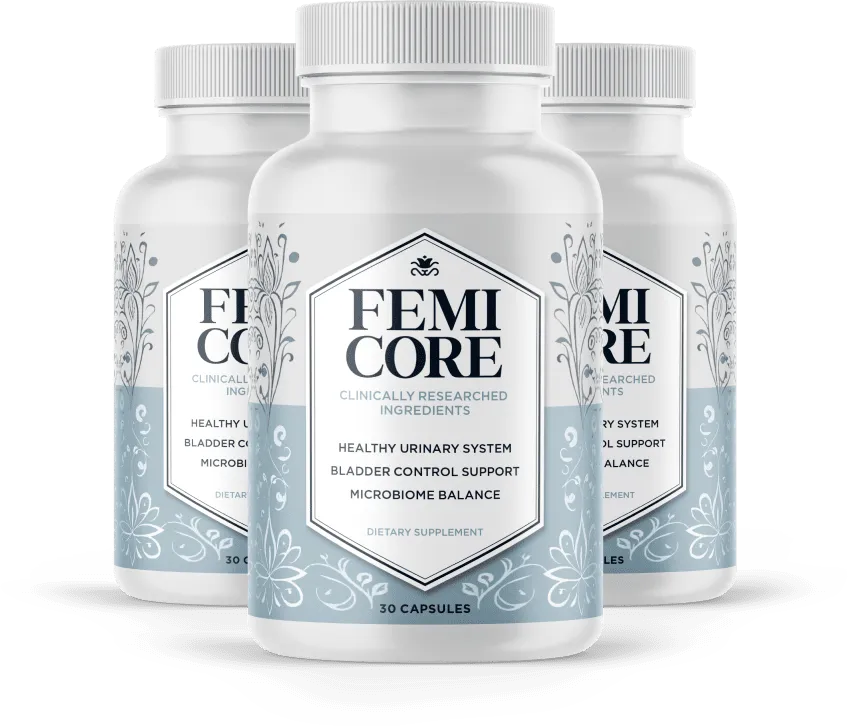
This is the question in the title, so let us be direct: nobody can honestly promise that FemiCore will work for you, and there is no published clinical trial proving that the FemiCore formula improves bladder control. The sales material uses phrases such as “clinically researched ingredients,” and while the individual ingredients have been studied to varying degrees, that is not the same as the finished product being clinically tested.
There are three useful ways to think about the question.
If “working” means helping reduce the frequency of urinary tract infections, the cranberry and possibly the L. crispatus components have a reasonable scientific rationale. Women who repeatedly get UTIs often use cranberry products as one tool alongside hydration habits and, when advised by a clinician, other preventive strategies. FemiCore could plausibly fit this role, though the actual cranberry dose on the label should be compared with the amounts used in trials.
Overactive bladder (OAB) is a pattern of urinary urgency, often with frequency and night-time waking, and sometimes urge incontinence. It is driven largely by bladder muscle signaling and nerve pathways, pelvic floor function, hormonal changes and lifestyle factors, rather than by bacteria. The ingredients in FemiCore do not target these mechanisms in any way that has been shown in human trials. The brand's language about soothing “overactive bladder muscles” is not supported by published evidence that we could identify. If urgency is your main concern, behavioral therapy and medical options with proven results deserve to come first.
Many supplement users report feeling better simply because they started a daily routine, drink more water, cut back on bladder irritants or pay more attention to their symptoms. Symptoms of urinary urgency also naturally fluctuate. This makes it easy to credit a capsule for improvements that have other causes, which is why controlled trials matter and why anecdotes, including glowing ones on sales pages, should be treated with caution.
The manufacturer highlights six key benefits. Here is how we read each one.
Claim: helps maintain normal bladder activity and internal balance.
Our take: vague wording that is hard to measure; any effect is likely mild.
Claim: reduces sudden urges and improves control.
Our take: not supported by trials of this formula; this is the claim to be most skeptical about.
Claim: probiotics restore and maintain a healthy microbiome.
Our take: reasonable idea, but oral probiotics show mixed results for the urinary tract.
Claim: cranberry and bearberry soothe and support the tract.
Our take: the most credible benefit, especially for recurrent UTI prevention.
Claim: Mimosa pudica and berberine maintain internal balance.
Our take: traditional use, thin modern evidence; “natural” does not mean risk-free.
Claim: five Lactobacillus strains support urinary and digestive health.
Our take: a decent selection; strain IDs and CFU counts should be confirmed on the label.
You will notice that this review does not reproduce glowing customer testimonials. We do not publish stories that we cannot verify, and we think readers deserve a more useful substitute: an honest picture of what a typical trial of a product like this looks like.
Probiotic capsules can cause mild gas, bloating or a change in bowel habits during the first days as the gut adjusts. Berberine can add digestive upset in sensitive people. Taking capsules with food usually helps. You are unlikely to see dramatic changes in bladder symptoms this early.
Probiotic and herbal products are generally evaluated over weeks to months. If a formula is going to help you, subtle changes such as fewer UTI-type episodes or a slightly calmer bladder may show up in this window. Keep a simple diary: number of daytime bathroom trips, night-time wake-ups, any leakage episodes, fluid intake and caffeine. Without data, it is easy to fool yourself either way.
If you see no measurable change by the end of the refund period, treat that as information. The advertised 60-day window is long enough to test a single bottle or a multi-bottle order while the guarantee is still active, but you should confirm the exact terms and the return process on the official checkout page before buying.
For most healthy adults, a probiotic combined with cranberry extract is well tolerated. The marketing describes FemiCore as gentle, non-GMO and free from stimulants. These are positives, but “gentle” and “natural” are marketing words, not safety guarantees. Here are the issues we think matter most.
Digestive effects. Gas, bloating, loose stools or stomach discomfort are the most commonly reported effects with probiotics and berberine.
Bearberry duration. Because bearberry is converted to hydroquinone, herbal guidance generally limits its use to short periods. A supplement intended for months-long “daily wellness” use that includes bearberry raises a fair question about long-term exposure. We were not able to find the bearberry dose on the marketing page, so check the label.
Medication interactions. Berberine can influence how the liver processes certain drugs and can add to the effects of diabetes and blood pressure medications. Cranberry products have been discussed in connection with warfarin, although evidence is mixed. Always show the supplement facts panel to your pharmacist.
Allergies and quality. Read the full label for allergens and excipients. Buying from the official seller reduces the risk of counterfeit or expired product, which is a real issue with supplements sold through third-party marketplaces.
Not for diagnosing or treating. The statements about this product have not been evaluated by the Food and Drug Administration. It is not intended to diagnose, treat, cure or prevent any disease. Stop use and seek medical advice if you experience rash, swelling, significant abdominal pain, worsening urinary symptoms or any other concerning reaction.
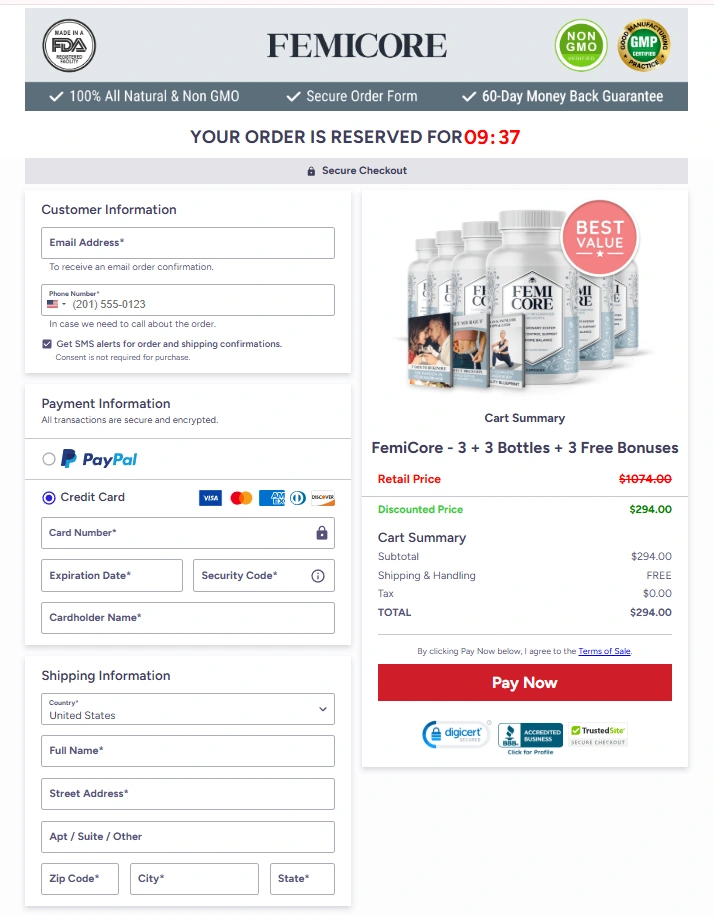
The seller's page advertises a limited-time offer starting at $49, and a “Best Value” multi-bottle option is highlighted in the product imagery. Each bottle is listed as containing 30 capsules, which suggests a one-month supply at one capsule per day, but check the directions and serving size on the label you receive. Bundle pricing, shipping charges and promotions change often, so confirm the final numbers on the secure order page before you enter payment details.
Orders are processed through ClickBank, a long-established digital retail and payment platform. This is the same checkout shown below, which lets you review the package options and the total before paying. Buying through the official order page rather than from a marketplace reseller is the safest way to make sure the guarantee applies.

Screenshot of the official checkout page. Offers and prices may have changed.
The seller states that every order is backed by a 60-day satisfaction guarantee: if you are not satisfied for any reason, you can request a refund by contacting support. A 60-day window is longer than many supplement brands offer and is, in our opinion, the strongest reason to consider a trial.
Practical tips: save your order confirmation and receipt number, note the date you receive the bottle, and contact support well before day 60. Read the refund terms on the official page, because rules about returning opened bottles, shipping fees and processing time can vary.
Claim Your FemiCore™ TodayA capsule is only one piece of the puzzle. If bladder comfort is your goal, these approaches have the strongest track record, and they work well alongside any supplement you choose.
Talk with your primary care clinician, gynecologist or urologist before assuming that symptoms are “just” a bladder issue. Conditions such as diabetes, interstitial cystitis, pelvic organ prolapse and infections can look similar and need different treatment.
FemiCore is a dietary supplement in capsule form, marketed to adult women who want to support bladder comfort and urinary balance. It combines five Lactobacillus probiotic strains with Mimosa pudica, bearberry, cranberry extract and berberine. It is not intended for children, and it is not a medicine.
The brand says the probiotics support a balanced urinary and vaginal microbiome while the botanicals soothe and support the urinary tract. Cranberry has the strongest research for reducing the risk of recurrent UTIs. Evidence that the full formula improves bladder control or urgency is lacking.
Follow the directions on the bottle. Supplements like this are usually taken once daily with water, often with a meal. Consistency matters more than timing, and most people evaluate probiotics over at least four to eight weeks. Keeping a short symptom diary helps you judge whether it is helping.
The ingredients are plant-derived or naturally occurring bacteria, and the formula is advertised as non-GMO and stimulant-free. Natural does not automatically mean safe for everyone. Bearberry and berberine in particular call for caution during pregnancy, breastfeeding, kidney or liver disease, and with some medications.
That depends on the medication. Berberine may interact with drugs for diabetes, blood pressure, blood clotting and organ transplant care, and cranberry has been discussed in relation to warfarin. Show the label to your pharmacist or doctor before starting.
There is no guaranteed timeline. Some users of probiotic-herbal products report changes after several weeks, while others notice nothing. Because the guarantee runs 60 days, you have time to run a fair trial and decide.
Often yes, but avoid doubling up on the same ingredients, such as another cranberry or berberine product, or another probiotic, unless a clinician suggests it. Combining several herbal products increases the chance of interactions, so introduce changes one at a time.
No. Dietary supplements are not FDA approved. The company states that it manufactures in an FDA-registered facility following GMP, which is different from approval of the product or its health claims.
Use the official order page linked on this site. Third-party marketplace sellers can ship expired, counterfeit or mishandled probiotics, and the guarantee may not apply to them.
No. This is an independent review site. Our buttons send you to the seller's checkout, and we may earn a commission from qualifying purchases.
So, does FemiCore really work? The honest answer is “maybe, modestly, and not in the way the marketing implies.” The formula is a sensible idea built from familiar ingredients, with cranberry and Lactobacillus crispatus offering the most credible rationale for urinary tract support. It is not a clinically proven treatment for overactive bladder, urge incontinence or leakage, and no supplement should be expected to replace pelvic floor therapy, bladder training or medical care.
What makes it a reasonable item to consider is the combination of modest risk for most healthy adults, a simple daily routine and a 60-day refund promise. What holds it back is the absence of direct clinical evidence, bold wording on the sales page and cautions around bearberry and berberine.
If you decide to try it, do so with your eyes open: check with a clinician or pharmacist first if you are pregnant, nursing, medicated or managing a health condition; track your symptoms; buy only from the official page; and use the refund window if you do not see a benefit.